What a seasonal menu is and how to change yours.

A seasonal menu is a menu that changes with the time of year, built around the fruit, vegetables and other foods that are at their best right then. Some restaurants change the whole menu each season. Many swap a handful of dishes and keep their best sellers. Done well, it can lower what you pay for produce and give regulars a reason to come back.

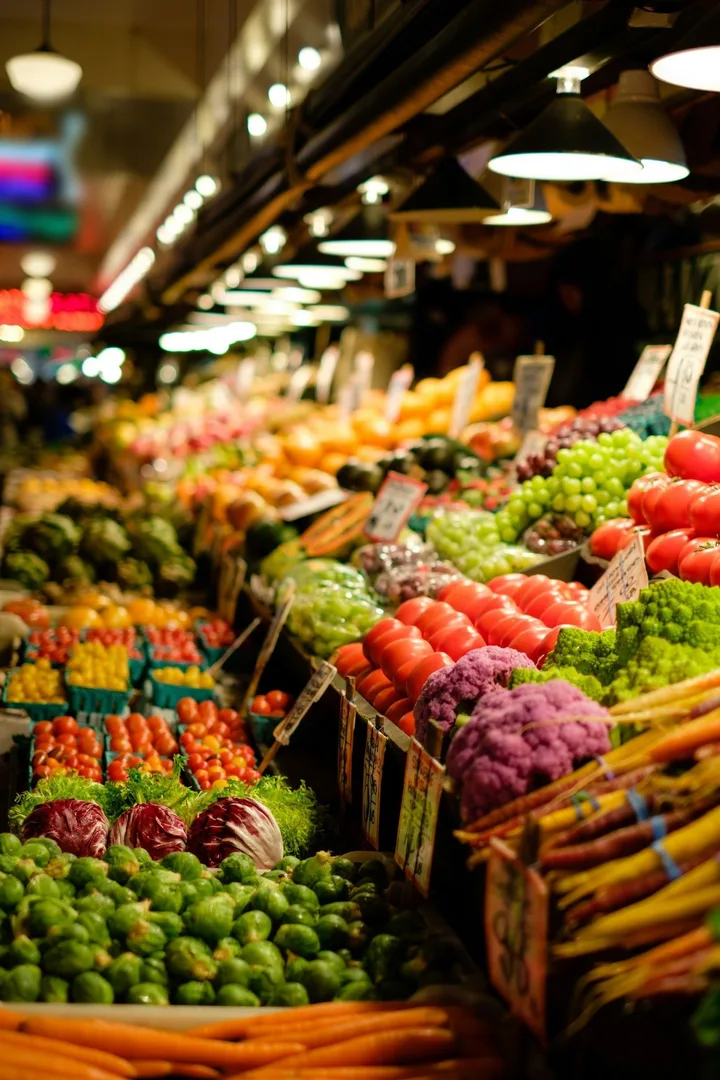
A market stall piled with fresh produce, including tomatoes, cauliflower, carrots and Brussels sprouts

What is a seasonal menu?

A seasonal menu follows what's growing, not the calendar alone. Asparagus and peas in spring, tomatoes and corn in summer, squash and apples in fall. It can take a few forms:

  • A full seasonal menu. Most of the menu changes each season.
  • Seasonal dishes on a fixed menu. A static menu keeps its core and swaps a few dishes, often a soup, a salad, a dessert and a drink.
  • A limited-time item. One dish or drink that comes back at the same time every year.

It's not the same as a holiday menu, which is built for one date. Our guide to the holiday set menu covers that. Schools and hospitals do something similar with their cycle menus: Penn State's open textbook, Introduction to Food Production and Service, notes that an operation "might have a spring, summer, and fall/winter cycle."

Why restaurants change menus with the seasons

Produce is better and cheaper in season. Mississippi State University Extension puts it simply: "Fruits and vegetables have more flavor and are typically less expensive when they're in season." A tomato salad in August costs less to make and tastes better than the same salad in January.

Guests want different food when the weather changes. An article for club chefs in Club + Resort Chef gives a simple example: "Heavier, root-vegetable meals in the winter balance lighter dishes in the summer, for example."

A new menu gives people a reason to come back. It's something to post, something for staff to recommend, and something regulars haven't tried. The best-known example is a drink. Wikipedia records that "Starbucks began selling pumpkin spice lattes in the fall of 2003," and that the drink was rolled out to all its US stores in 2004. A dish that's only around for part of the year gives guests a reason to come in while it's on.

How often should you change it?

There's no single rule. Pick a rhythm your kitchen can keep up with.

RhythmSuits
Four times a yearRestaurants that want each season to feel new
Twice a year (spring and summer, fall and winter)Small kitchens and busy owners
A few dishes every few weeksCafƩs and bistros that buy from local farms
Every dayFine dining and farm-to-table kitchens

The Penn State textbook notes that daily menus "are often used in fine dining or for foodservice operations that feature locally sourced products, which are available in the market on a given day." At the other end, Club + Resort Chef suggests checking for menu changes "quarterly" at the very least.

Seasons also differ by place. As the Institute of Child Nutrition reminds school cooks, "Seasonal fruits and vegetables may vary depending on where you live." Ask your suppliers what's coming in and when, and plan from their answer, not from a national list.

What changes and what stays?

Don't change everything. Club + Resort Chef again: "There will always be a few customer favorites that should remain on the menu from year to year."

Usually staysUsually changes
Best sellers and signature dishesSides, garnishes and sauces
The menu's sections and layoutSoups and salads
Your price rangeDesserts
Core drinksSeasonal drinks and cocktails

One easy way to do it is to keep the dish and change what goes with it:

One dish, four seasonsExample only

Roast chicken plate, on the menu all year

Spring: with asparagus, peas and mint$22
Summer: with tomatoes, sweet corn and basil$22
Fall: with roasted squash, apples and sage$22
Winter: with root vegetables and mushroom gravy$22

The prices are an example. The chicken and the cooking method stay the same, so the kitchen isn't learning a new dish, and regulars keep their favorite. Only the vegetables and the sauce change. Do the same with a soup of the season, a seasonal salad and a fruit dessert, and the whole menu feels new.

How to roll out a new seasonal menu

  1. Start about a month ahead. Ask suppliers what they'll have, and draft the new dishes.
  2. Test them as specials first. Keep the ones that sell. Drop the ones that don't.
  3. Cost every new dish before you price it. Our guide on how to price menu items shows how.
  4. Update allergens and dietary labels. A new sauce can bring in nuts or dairy. See our guide to allergens on menus.
  5. Use up the old season's stock. Run the last of it as specials in the final week.
  6. Hold a tasting for staff. Servers sell what they've tried.
  7. Switch everything on the same day. The online menu, the printed menus, the boards and your website should all match.

That last step is the one that slips. In Menupresso, you can build next season's menu over several days. Edits save as a draft, guests keep seeing the current menu, and the new one goes live when you press Publish changes. The QR codes on your tables stay the same. Mark the new dishes with the New highlight for the first few weeks so regulars spot them.

Sources

Change the menu, keep the QR code.

Build next season's menu as a draft, publish it on launch day, and keep the same codes on every table.

Create a free menuHow to plan a holiday set menu