What does à la carte mean?
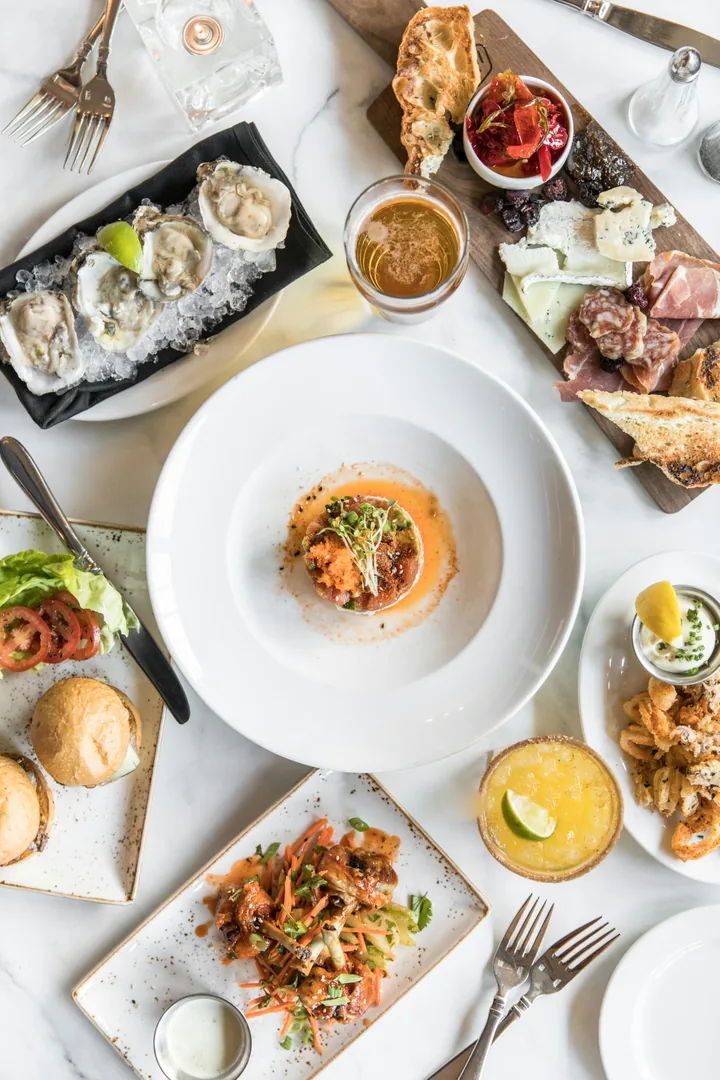
The French phrase roughly means “from the menu” and is said “ah lah kart.” In a restaurant, it means dishes are listed and priced one by one. You might order just a main, or add a starter, side and dessert.
For example, one guest might order:
- Tomato salad
- $11
- Grilled sea bass
- $26
- Roast potatoes
- $7
- Food subtotal
- $44
The guest could order only the sea bass, add another side, or share the salad. These dishes add up to $44 before any tax, tip or service charge. A restaurant may include sides with some mains and price others separately; the menu should say which is which.
What goes on an à la carte menu?
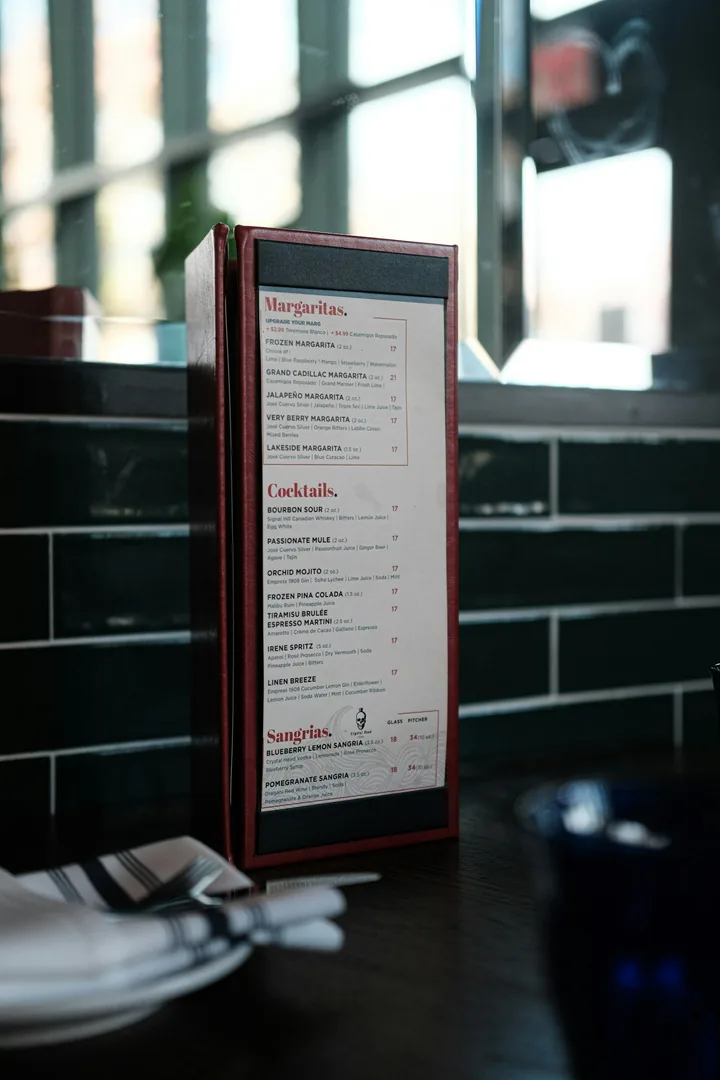
Most restaurants group dishes so guests can find what they’re hungry for. Starters, mains, sides, desserts and drinks are familiar sections. A café might use Breakfast, Lunch and Drinks instead. The names should fit the way your guests order.
- Give each dish a clear name and price. People should see what they're choosing without having to ask.
- Describe what matters. A few useful ingredients tell guests more than a long, flowery sentence.
- Explain what comes with the plate. If fries or a sauce cost extra, show that beside the dish.
How is it different from a set menu?
A prix fixe menu offers a planned meal for one price, often with a choice of starter, main or dessert. An à la carte menu gives each dish its own price.
À la carte
Guests choose individual dishes. The total depends on what they order.
Set menu
Guests choose from a smaller selection of courses for one stated price.
A restaurant could offer a set lunch and an à la carte dinner. Mark the hours for each so guests know which menu applies before they book or order.
When does à la carte work well?
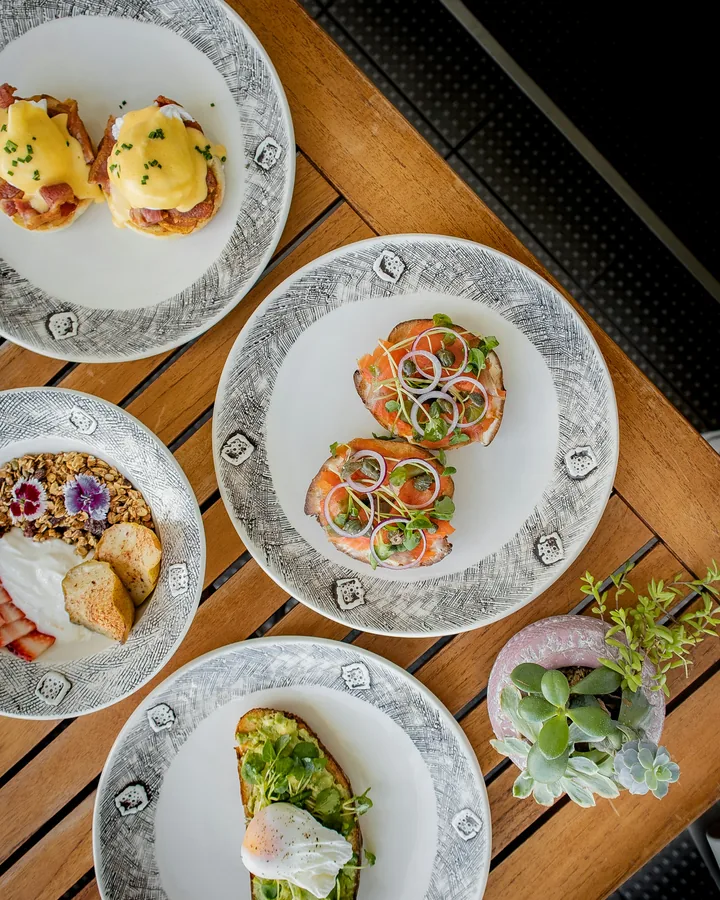
It’s a good fit when guests arrive with different appetites, budgets or food preferences. A couple can share a starter and choose separate mains. Someone who wants a light meal can stop there. You can also add a seasonal dish without reshaping a whole set meal.
The kitchen needs a plan, though. Guests may choose many different dishes at once, so prep, stock and timing matter. A shorter menu that your team can cook consistently is often easier to run than a long list of occasional orders.