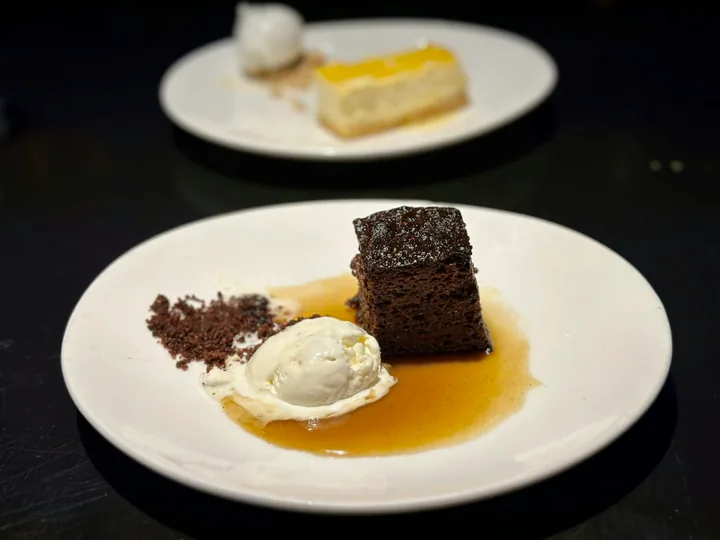
What does prix fixe mean?
“Prix fixe” is French for “fixed price” and is usually said “pree feeks.” At a restaurant, it means a meal with two or more courses sold for one price per person. Guests may choose a dish for each course, or the kitchen may serve the same dishes to everyone.
What could a prix fixe menu look like?
Here's one way to write a three-course dinner. A guest chooses one dish from each row:
- Starter: tomato soup or beet salad
- Choose one
- Main: roast chicken or mushroom risotto
- Choose one
- Dessert: lemon cake or chocolate mousse
- Choose one
- Price for all three courses
- $48 per person
In this example, every listed combination costs $48. Drinks are priced separately. If you offer a pricier dish for an extra charge, show that amount beside the choice. Guests should also be able to see whether tax or a service charge will be added.
The number of courses can change with the service. A quick lunch might include a main and dessert; a longer dinner might include several smaller plates.
How does it compare with à la carte?
The difference is how the meal is priced. A prix fixe menu groups courses under one price. On an à la carte menu, each dish has its own price, and the total follows what the guest orders.
Prix fixe
Choose from a planned set of courses for one stated meal price.
À la carte
Choose individual dishes, each with its own price.
You can offer both. For example, a small set lunch can sit alongside a wider evening menu. Tell guests when each menu is available and whether dishes can be ordered separately.
When does it work well?
A prix fixe menu can make sense when you want to guide the pace of a meal: a weekday lunch, a tasting evening, or a busy holiday service. A shorter list of dishes can help the kitchen plan prep and keep courses moving.
Think about your guests, too. If people arrive with different diets or appetites, give them a couple of thoughtful choices and explain how to ask about ingredients. Keep the number of options realistic for your team. Every extra choice creates another dish to prepare and keep available.
How do you set the price?
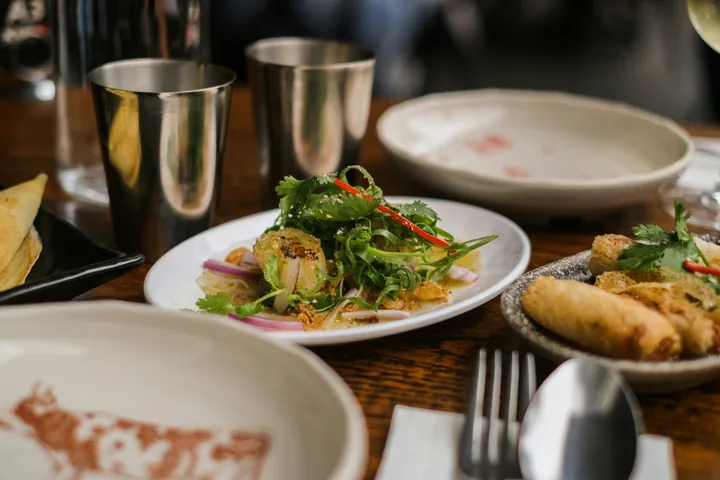
Start with the dishes you want to serve, then work through the cost of every allowed combination. Check the most expensive one, since guests may choose it more often than you expect.
Take the $48 dinner above. Suppose the ingredients for its costliest starter, main and dessert are $4, $9 and $3. That’s $16 in ingredients. The remaining $32 still needs to cover staff, rent, payment fees, waste and what the restaurant earns. If your own numbers don’t work, change a dish, adjust the price or charge clearly for a special choice.
Check portion sizes and how long each dish takes to prepare, too. A meal that looks affordable on an ingredient list can be hard to serve at that price once the whole service is counted.
Make the offer easy to understand
If the $48 dinner is available only on Friday and Saturday, put those days beside the price. List the choice for each course and place any extra charge next to the dish it applies to. Say whether drinks are included and how to ask about ingredients or substitutions.
When a dish sells out, update the menu people are using that day, including the paper copy or QR page. Our digital menu guide covers keeping an online version current.