What does table d’hôte mean?
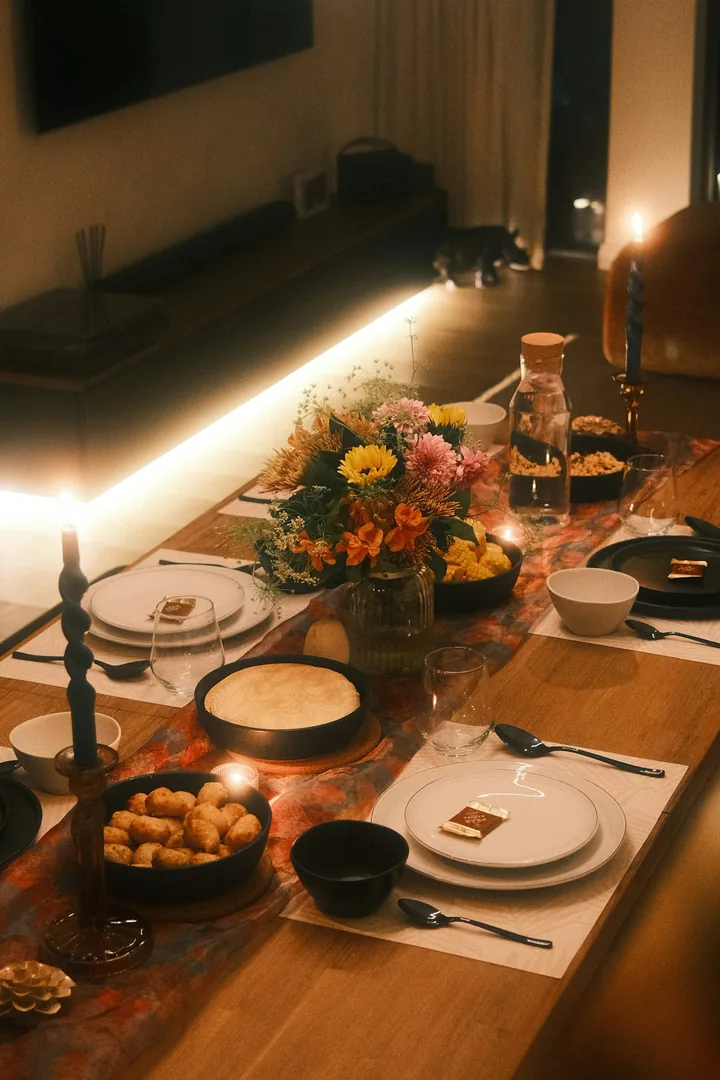
The French name means “the host’s table.” In English, you’ll usually hear it said “tah-buhl doht.” It can describe a shared dining table; on a restaurant menu, it describes a complete meal with limited choices for one set price. The American Heritage Dictionary records both uses.
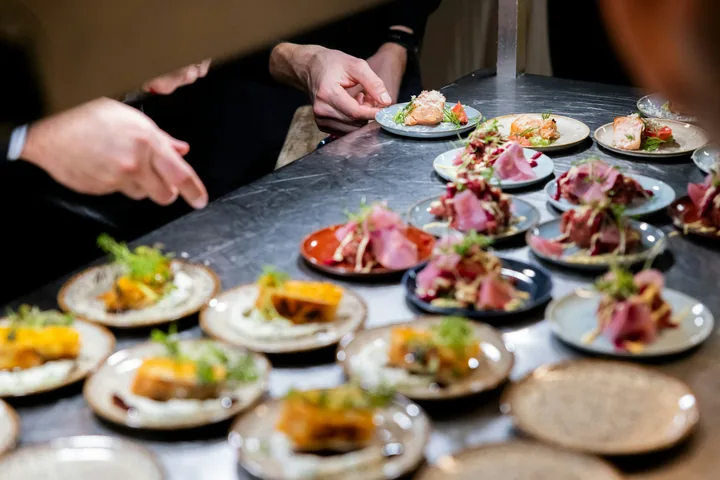
Guests can sit at separate tables and choose from a small selection of dishes. A restaurant might serve a starter, main and dessert, or offer two courses for lunch. The course list tells people far more about the meal than the French name does.
What could the menu look like?
Here's an example of a Thursday supper. Each guest chooses one dish from every course:
- Starter: carrot soup or apple and chicory salad
- Choose one
- Main: herb chicken with potatoes or lentils with roast squash
- Choose one
- Dessert: baked pear or chocolate pot
- Choose one
- Price for three courses
- $42 per person
In this example, bread is included and other drinks cost extra. Every listed combination has the same $42 meal price. If a different choice carries an extra charge, put that amount beside the dish. Show any tax or service charge that will be added, too.
How does it compare with prix fixe and à la carte?
Prix fixe is another name you’ll see for a meal at a set price. The terms overlap: both formats can offer a choice of dishes within each course. A guest can understand either one from the course list and the price, without knowing the French phrases.
An à la carte menugives each dish its own price. If you offer both menus, say whether someone can order the chicken on its own or only as part of the three-course supper.
When does it work well?
Try this format when you can plan much of the meal ahead: a weekday lunch, a guesthouse dinner, a seasonal evening or a group event. Fewer dishes can make shopping and preparation easier to organize. Servers can explain the choices quickly, and guests know the shape of the meal from the start.
A short menu needs careful thought. If one main sells out, guests lose a big part of their choice. If all the starters contain an ingredient someone cannot eat, a fixed menu may leave them stuck. Plan a useful range of dishes and give staff a clear answer about substitutions before service begins.

Write the offer as guests will read it
The sample could begin: “Thursday supper · 6–9 pm · three courses · $42 per person.” Then come the choices for each course and a short line saying “Bread included; drinks extra.” If a choice costs more or substitutions are limited, say so beside that course.
Before settling on $42, check that the price works for both main-course choices. The prix fixe guide has a simple cost example for a set meal.
When a choice sells out, change the course list people see before they order. If only chicken remains tonight, the supper menu should say so.